
Christina Brown
Co-Founder and Chief Executive Officer
A directly impacted advocate with nearly a decade of experience working to end generational incarceration. Read her story below.
Bridges of Hope CA's mission is to end generational incarceration by advancing healing, accountability, family connection and successful reentry for individuals, victims, children and families impacted by the justice system.
Through victim impact programming, family reunification, trauma-informed support, mentorship, entrepreneurial and employment pathways, practical reentry services and policy advocacy, we address both the individual and systemic barriers that perpetuate cycles of incarceration, and work to create stronger pathways for future generations.
Women-led and grounded in lived experience, we serve men, women, children and families impacted by incarceration.
“She leads with her heart, she cares deeply, and Christina doesn't give up on what she believes in.”
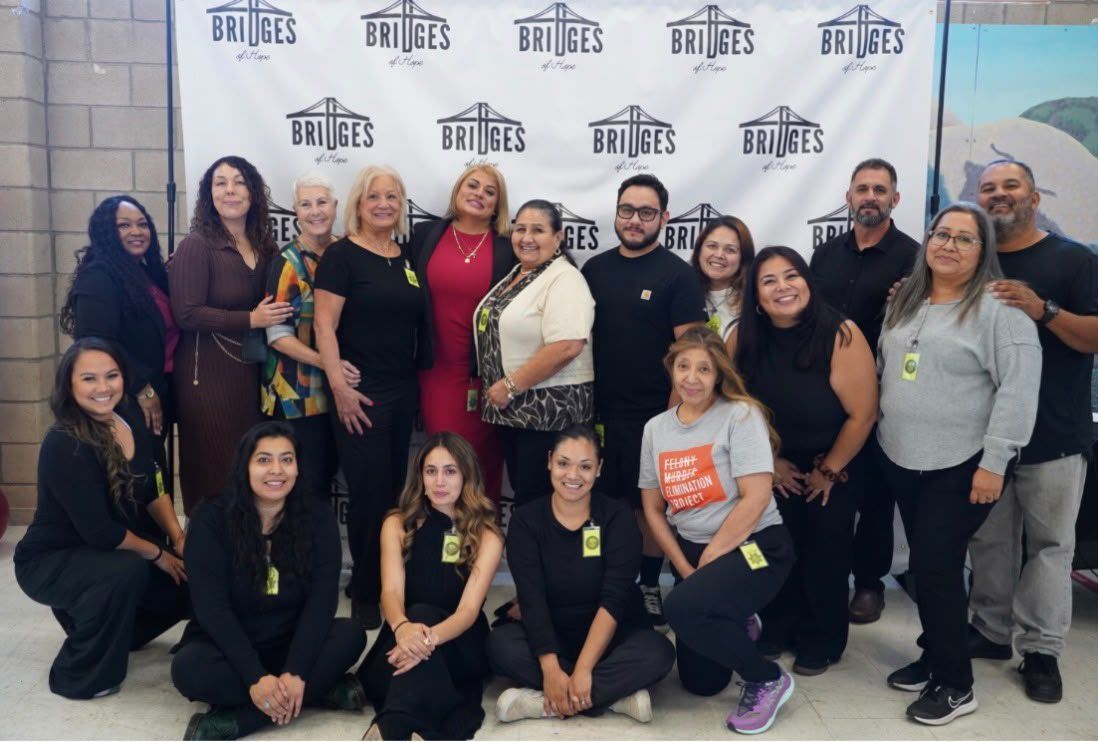
Candace Wakefield, Co-Founder and COOChristina Brown is the Co-Founder and Chief Executive Officer of Bridges of Hope CA and a directly impacted advocate with nearly a decade of experience working to end generational incarceration and improve outcomes for individuals, victims, children, and families impacted by the justice system.
Her work spans in-prison programming, family reunification, victim impact and accountability, reentry, entrepreneurial and employment pathways, and legislative advocacy. Christina works alongside correctional institutions, community organizations, advocates, and policymakers to advance solutions addressing both the individual and systemic impacts of incarceration.
Beyond her leadership at Bridges of Hope CA, Christina serves on the Board of Directors of the Felony Murder Elimination Project and has contributed her leadership and advocacy through the California Clemency Coalition, FUEL, Drop LWOP, California Coalition for Women Prisoners (CCWP), Debt Free Justice Coalition, and California Justice Coalition. Her statewide advocacy and coalition work have supported efforts involving sentencing reform, family connection, rehabilitation, economic justice, reentry, and meaningful opportunities for change.
Grounded in lived experience, Christina believes accountability, healing, opportunity, and public safety can work together. Through direct programming and systems-level advocacy, she works to strengthen families, support victims and survivors, create pathways for successful reentry, and advance policies capable of producing lasting change.
Her work is driven by one goal: breaking the cycle of generational incarceration and creating a different path for the generations that follow.
Candace Wakefield is the Chief Operating Officer at Bridges of Hope. Having grown up with a father who was incarcerated, Candace deeply understands the challenges faced by families affected by incarceration. This personal connection fuels her dedication to supporting others in similar situations.
Candace's journey in social impact began in 2015 when she started volunteering with The Place4Grace, focusing on reuniting families. She holds a BFA in Photography from Cal State Long Beach and has experience in marketing, which she brings to her nonprofit work.
In 2021, Candace became the Director of Operations at The Place4Grace, where she gained valuable experience in running nonprofit programs and supporting reentry services. Now at Bridges of Hope, Candace oversees programs that help families reconnect, support personal growth, and break the cycle of generational incarceration. Her commitment to this work drives her to create lasting change for the communities she serves.
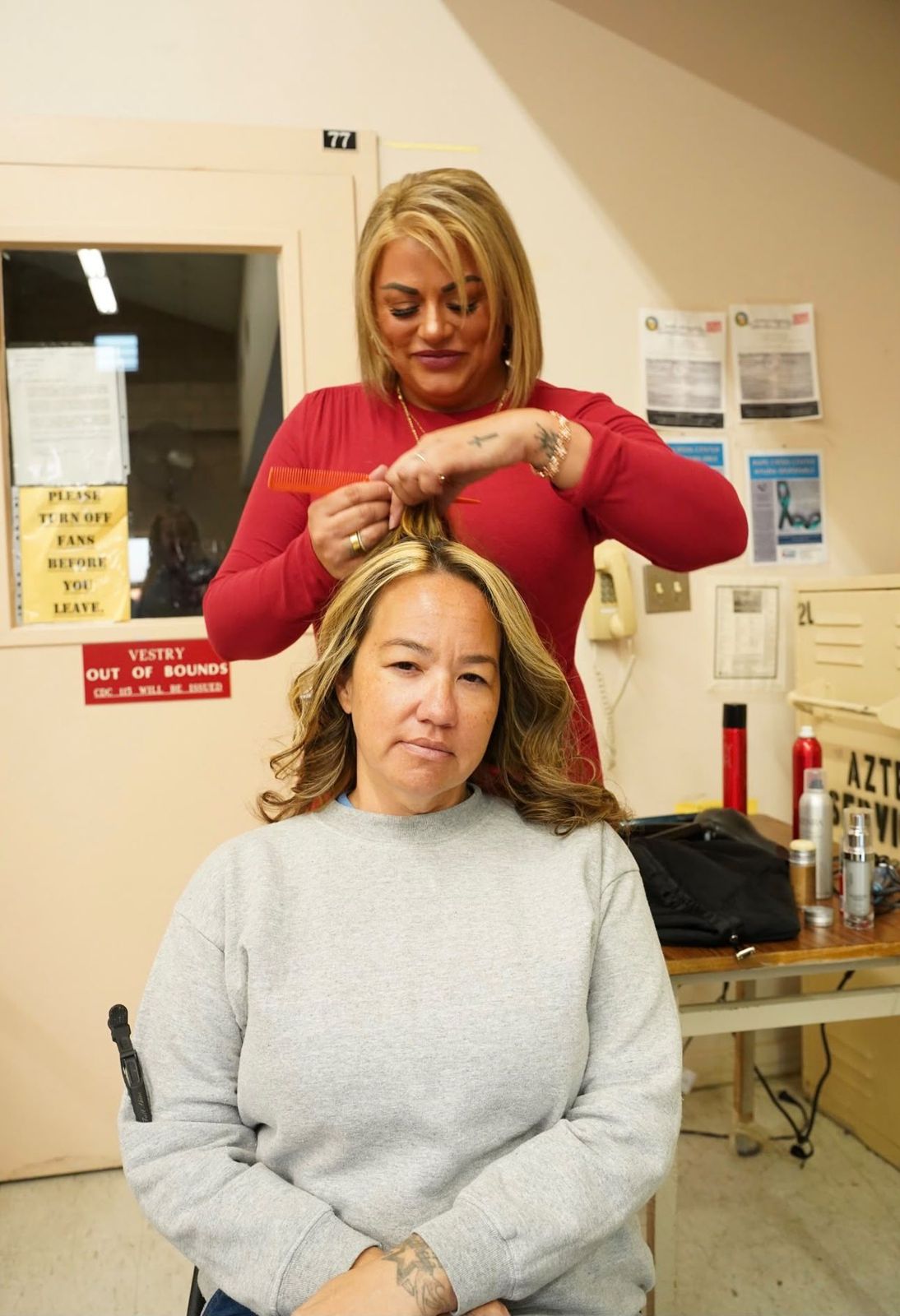
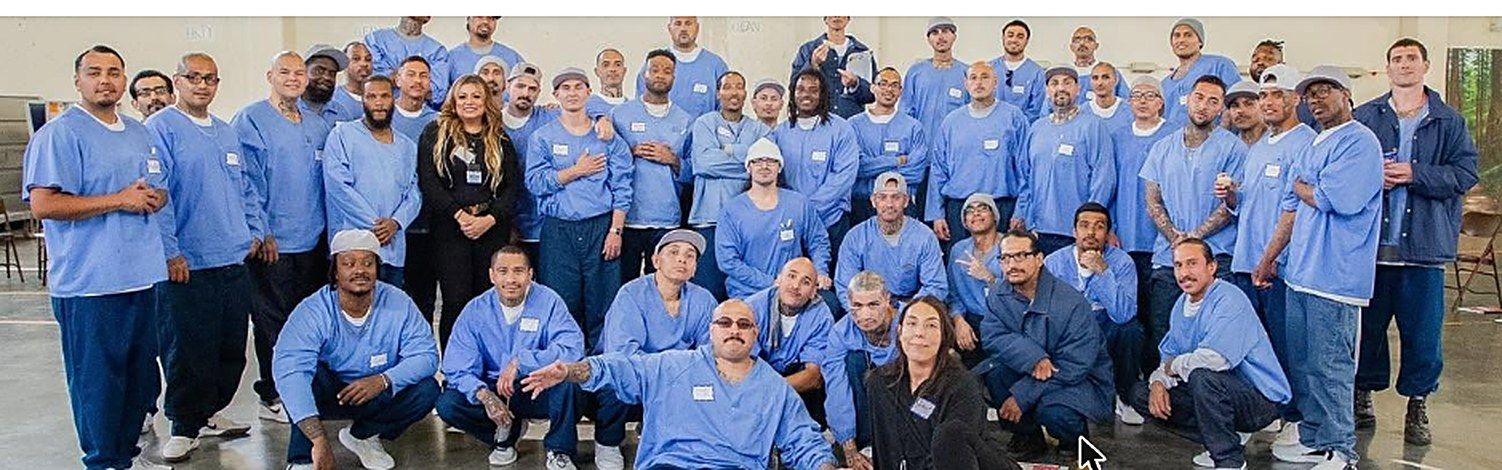
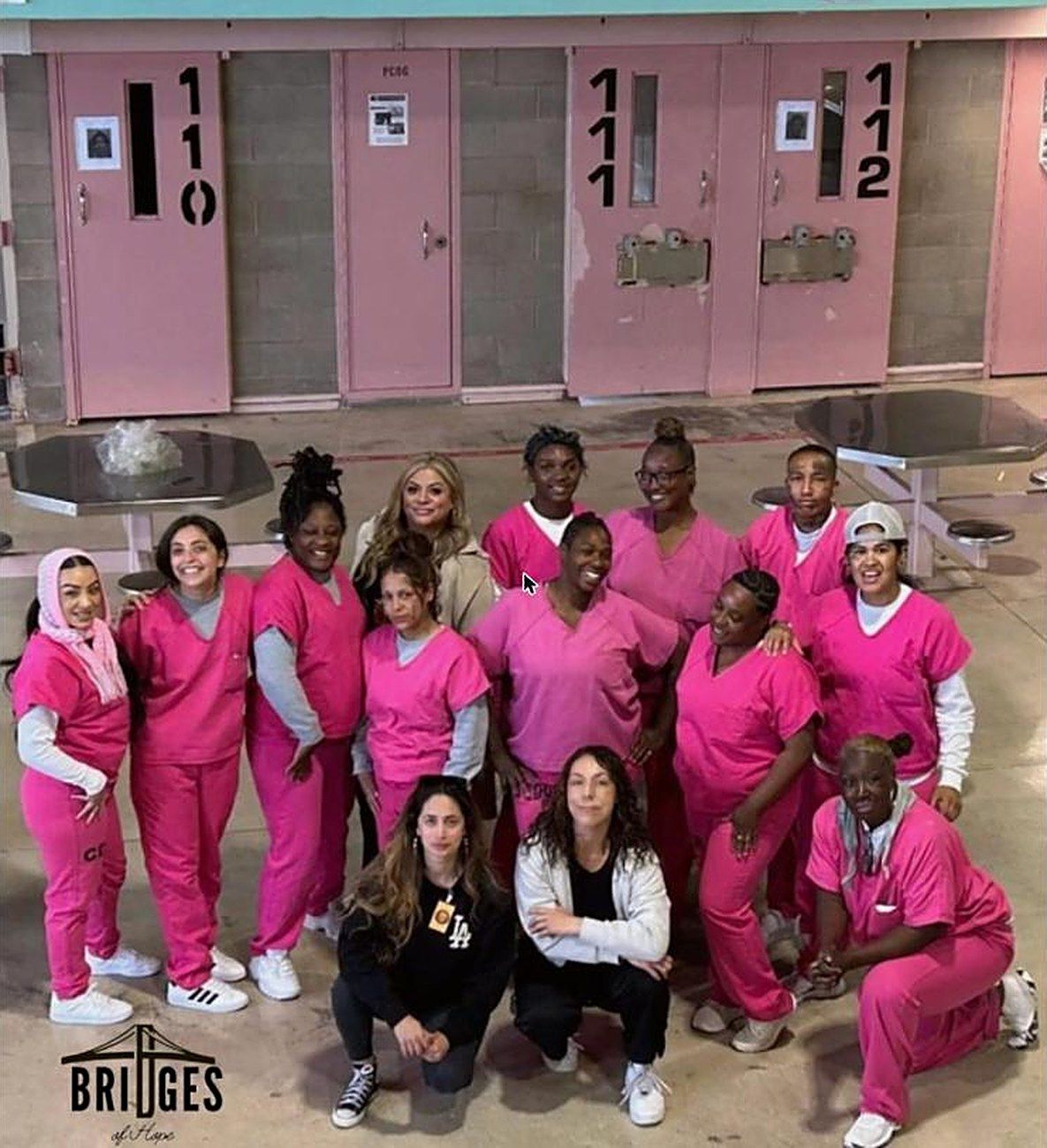
Inside the prison with incarcerated parents, alongside victims and survivors, and outside with the children, caregivers and people coming home.
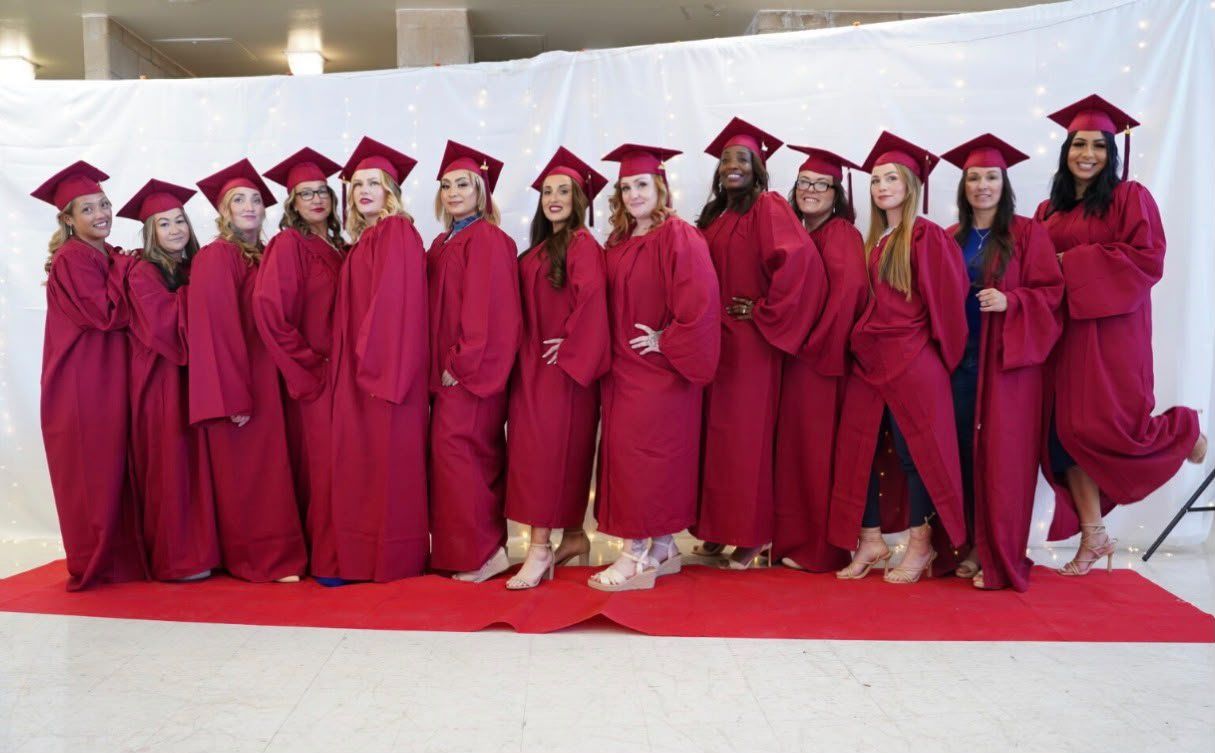
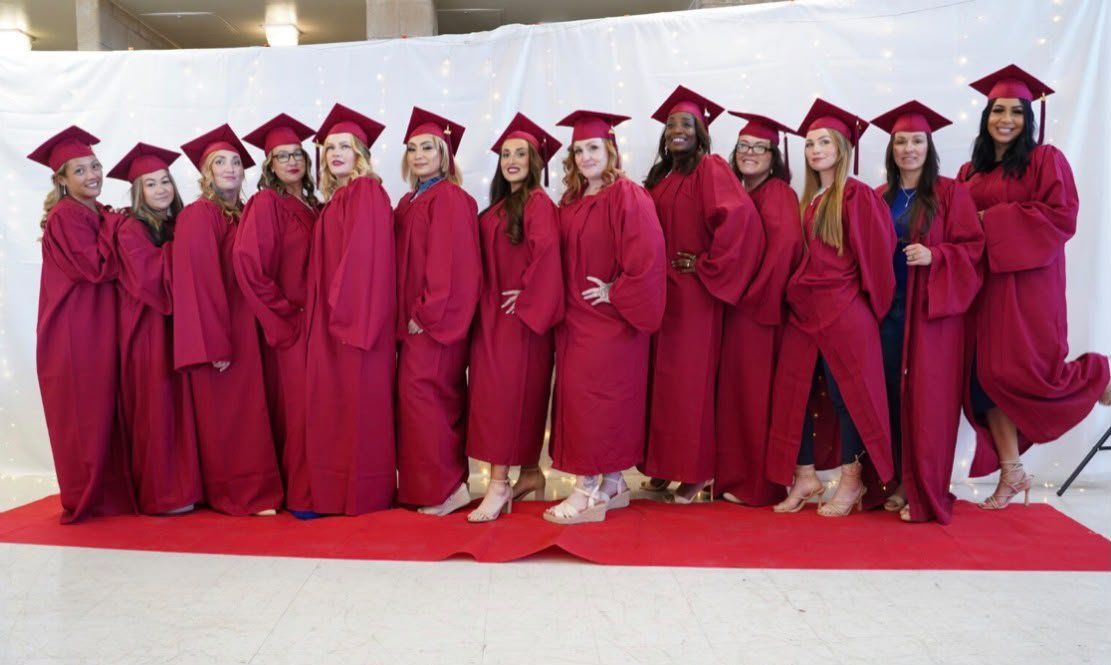
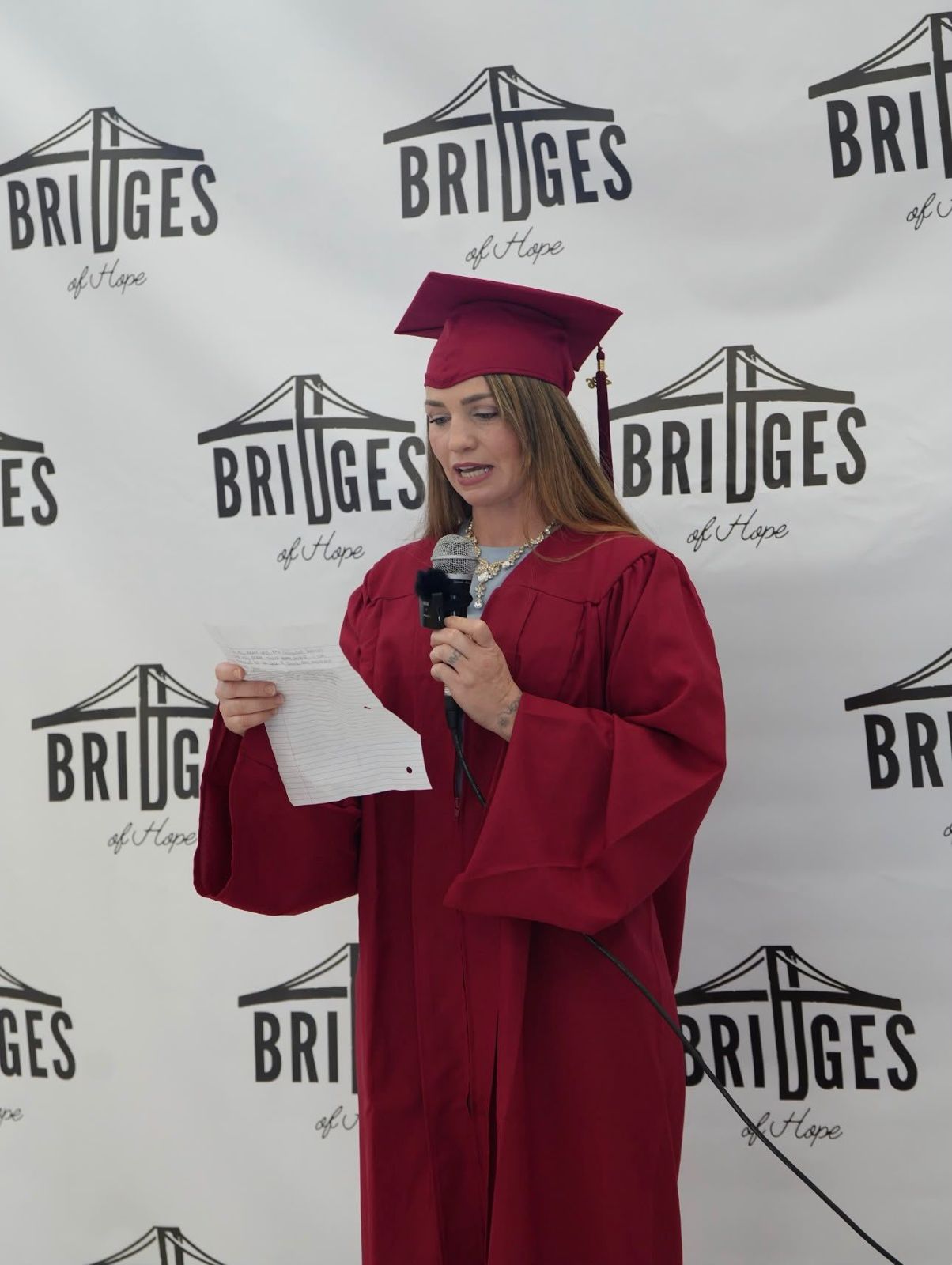
Restorative healing for incarcerated mothers and fathers: communication, parenting, art and trauma recovery, ending in a family graduation celebration inside the prison.
Trauma-informed victim impact programming on the far-reaching harm of crime to people, families and communities, and the accountability and healing that follow.
Reentry services for people coming home: pickup on release day, help with employment and housing, and life skills training.
In-person programs that help incarcerated parents keep strong bonds with their children.
Resources and support for formerly incarcerated and justice-impacted people to start businesses and find work, with partner organizations and Chase Bank.
Retreats for girls 9 to 18 affected by a parent's incarceration in California, Tennessee and Alabama, with art therapy, life skills and community.
Also every year: Christmas gifts for children with a parent in prison and children in foster homes, and tutoring for impacted children with HAARP at UC San Diego. Sign your child up for tutoring.
Families, volunteers and our team all work in the Bridges of Hope app: families get help faster, and every step is on record.
Results from our own program records, updated after every program weekend.
fathers enrolled in Reconnecting Families at Salinas Valley State Prison, graduating in 2027.
mothers enrolled. Family Celebration and graduation weekend on October 17, 2026, with children and caregivers flown and driven in.
children received gifts, in prisons and foster homes. The 2026 drive is our third year.
About 325 people a year take part in our programs: incarcerated parents, their children and caregivers, and people returning home.
Request the impact reportReconnecting Families launches at CCWF: 3 days, 9 sessions, 36 women.
Ripple Effects victim impact programming begins at CCWF.
The HUGS Act and AB 2428 signed into law, both co-sponsored by Bridges of Hope.
CCWF Family Celebration after the 4-month program. 288 Inside Members statewide.
Free membership for incarcerated people and their families: our Reconnecting Families Workbook, a newsletter, law updates and legal guides, mailed inside.
From the Capitol to the visiting room, we help write and pass the laws that keep children close to their parents. We work alongside Restoring Hope California, Essie Justice Group, Debt Free Justice California and other coalition partners.
Our role: Co-sponsor. Protects hugs, hand-holding and play between children and their parents during visits.
Our role: Co-sponsor, with Debt Free Justice California. Ends specified criminal administrative fees that push families into debt.
Our role: Worked alongside Restoring Hope California and Essie Justice Group. Ends invasive visitor searches and last-minute visit cancellations.
Our role: Co-sponsor and advocate. Ends the 15-minute tablet call cutoff and makes text messages free for families.
Our role: Co-sponsor.
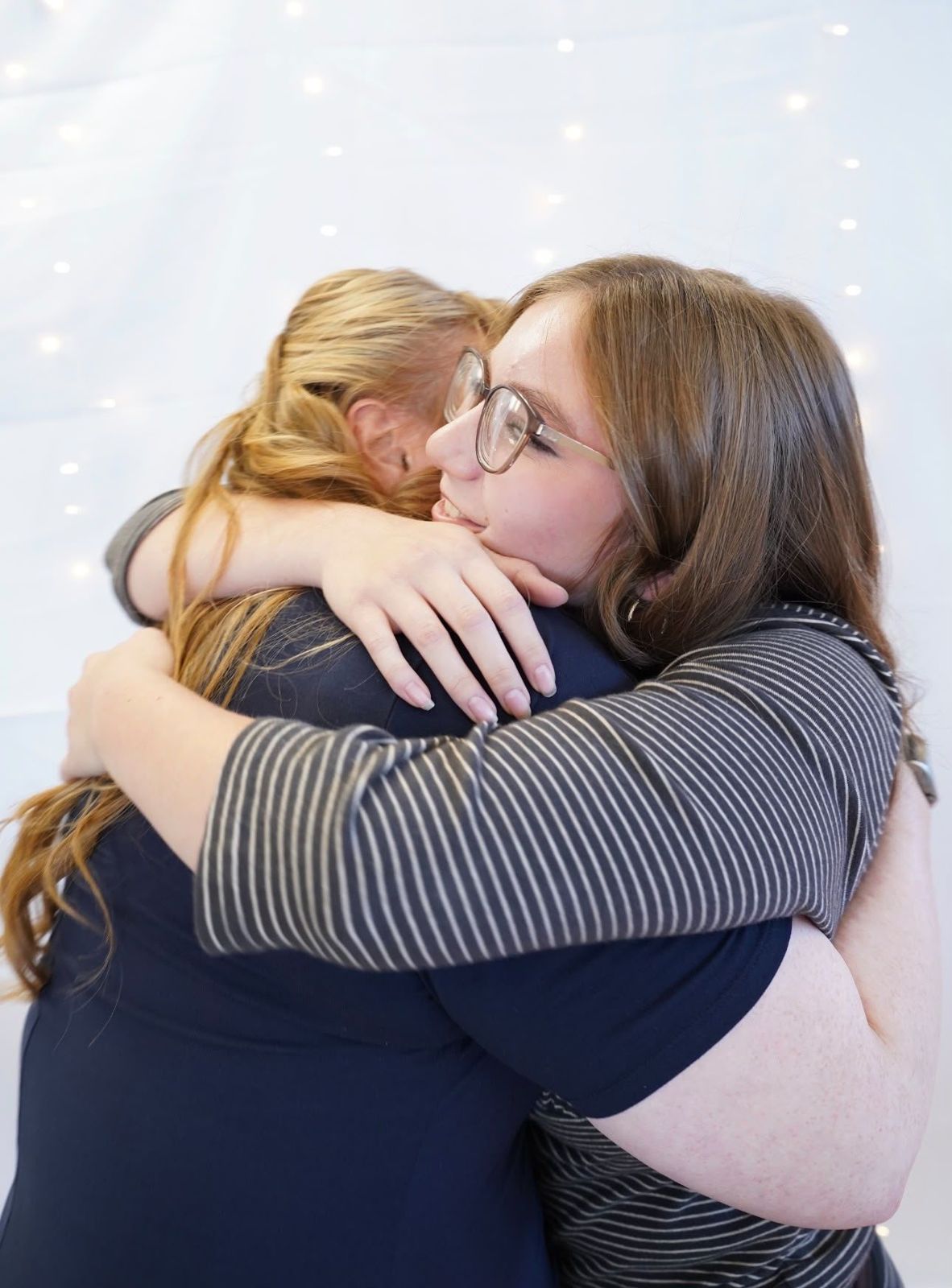
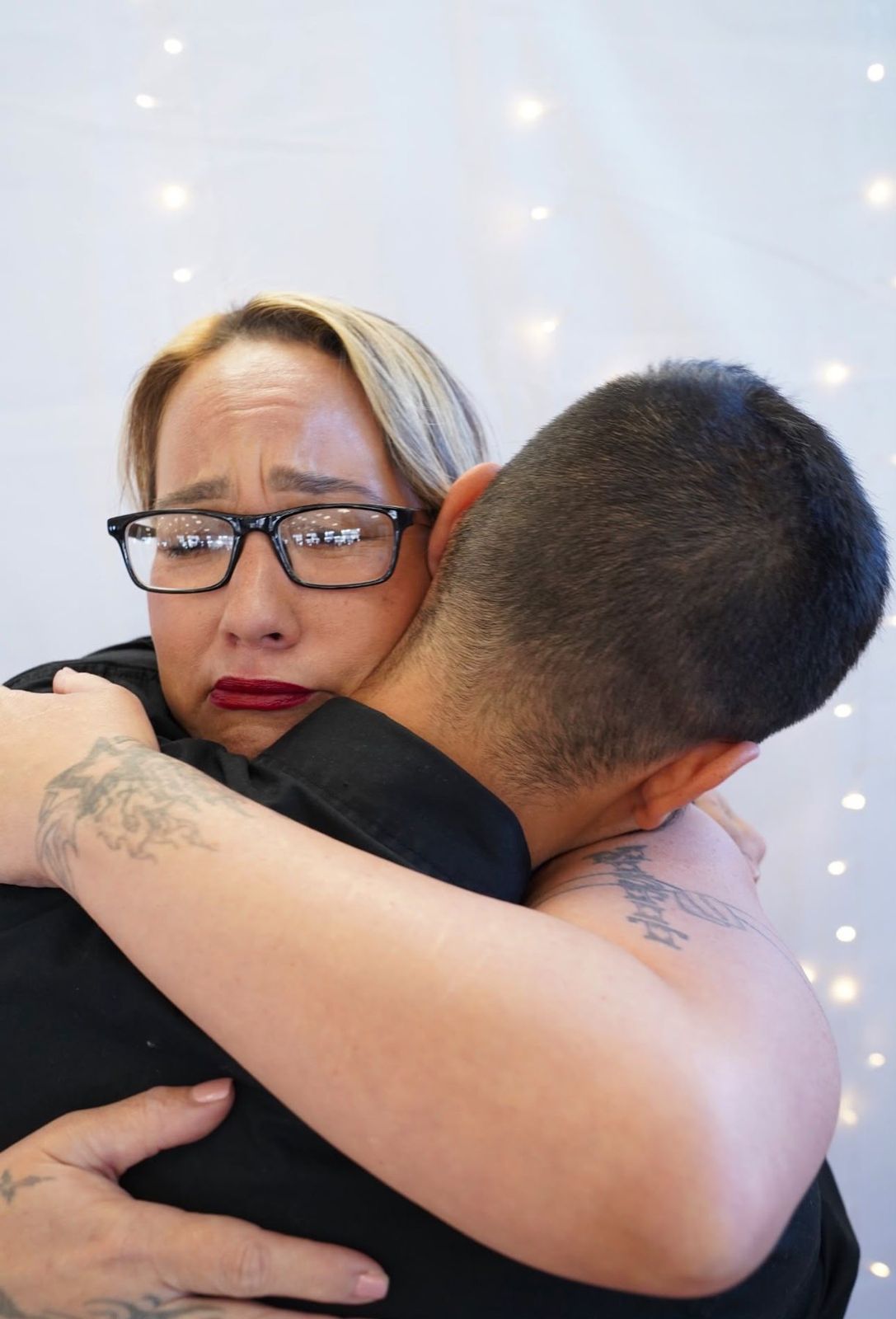
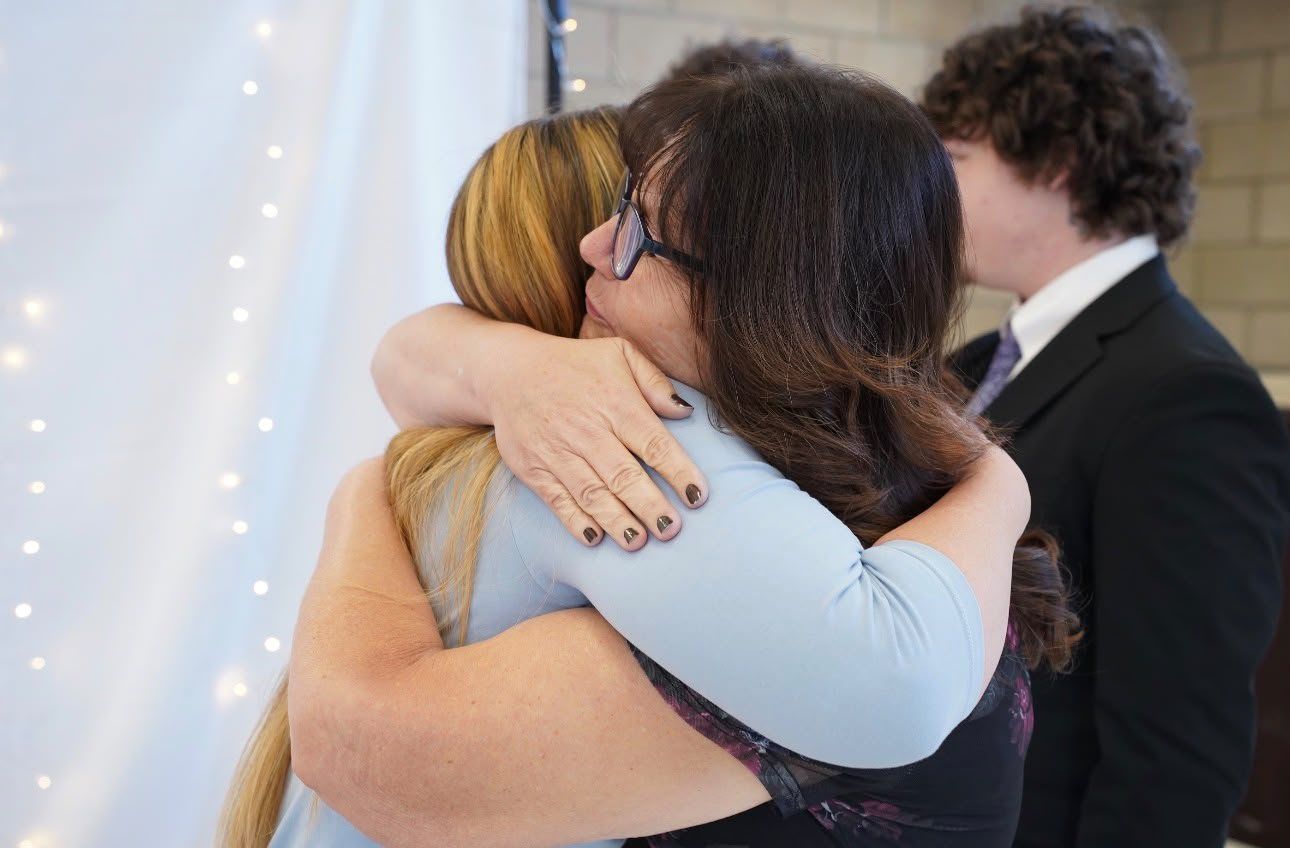
She hadn't seen her mother since she was five. At 22, she flew in from her university in Michigan to be there.
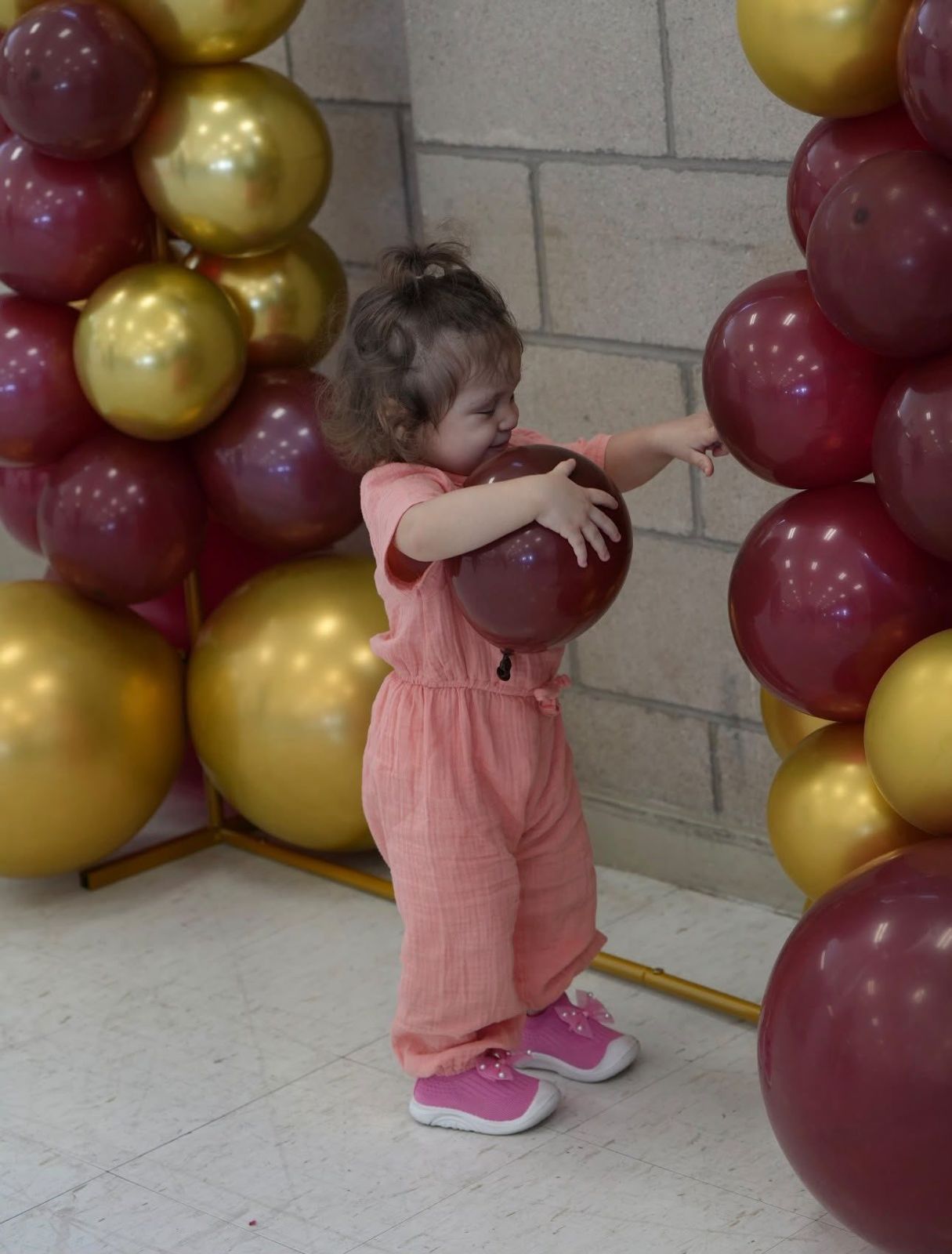
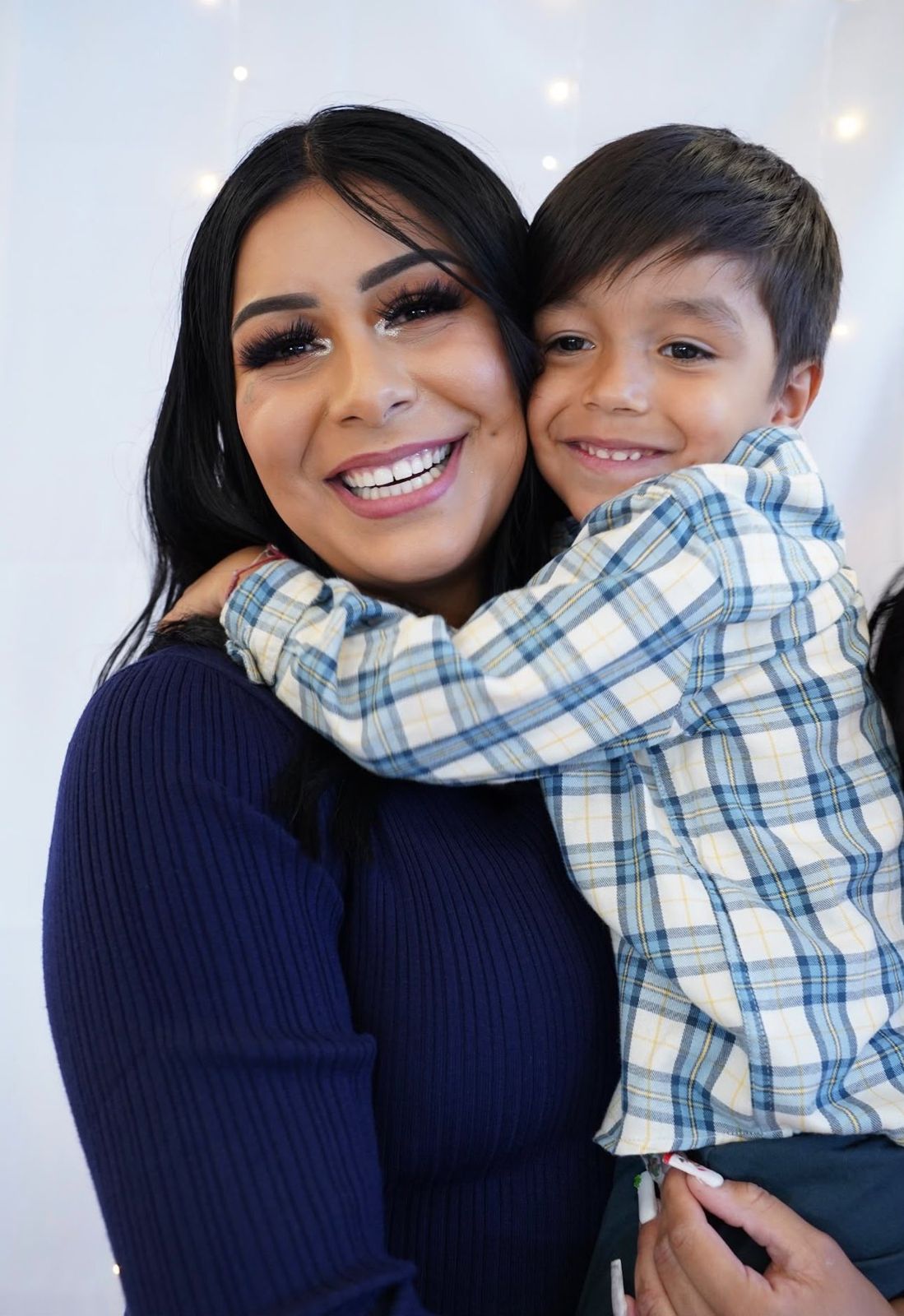
Children and young adults reunited with their mothers, some for the first time in years. One son who had not spoken with his mother in eight years came to surprise her.
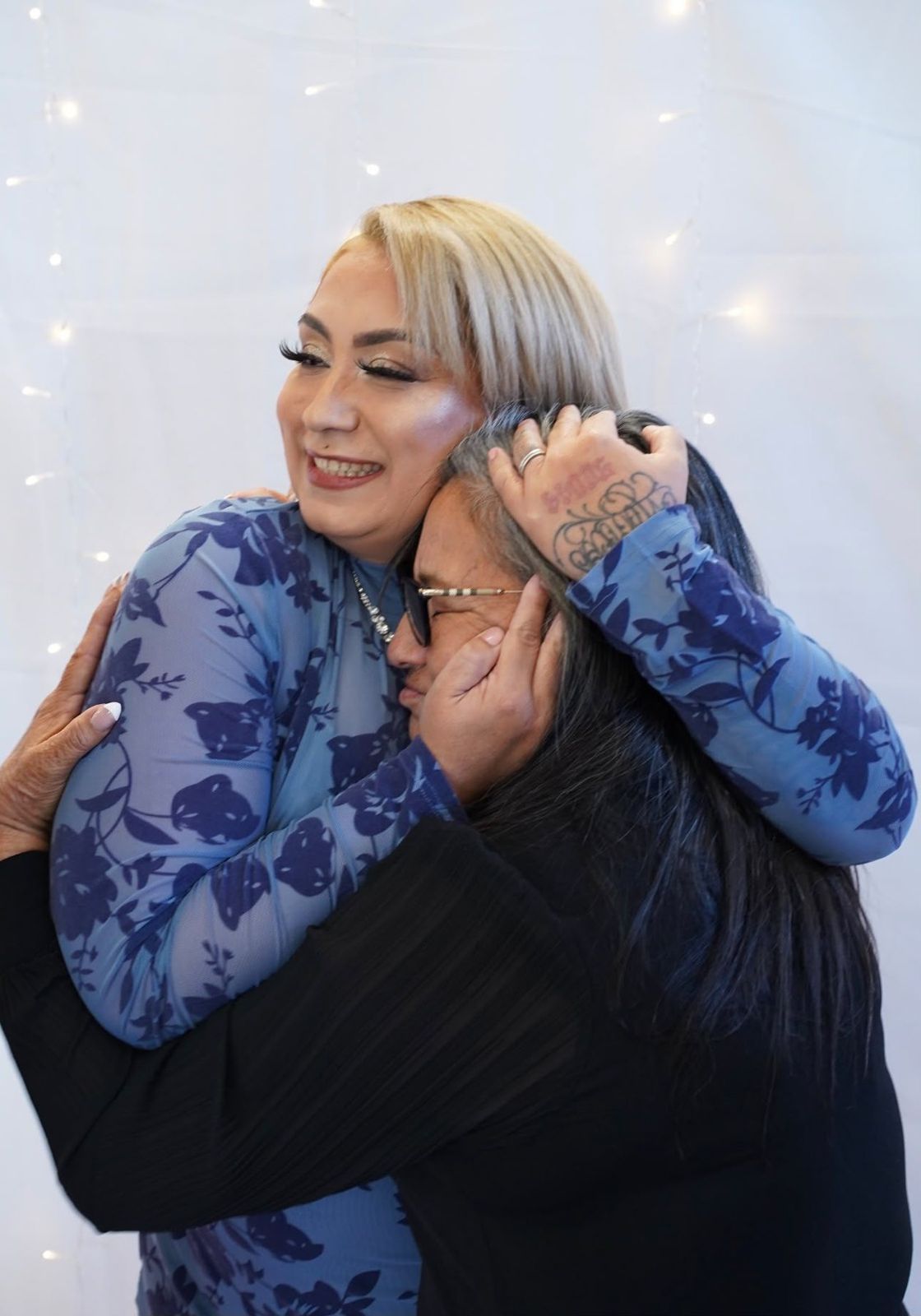
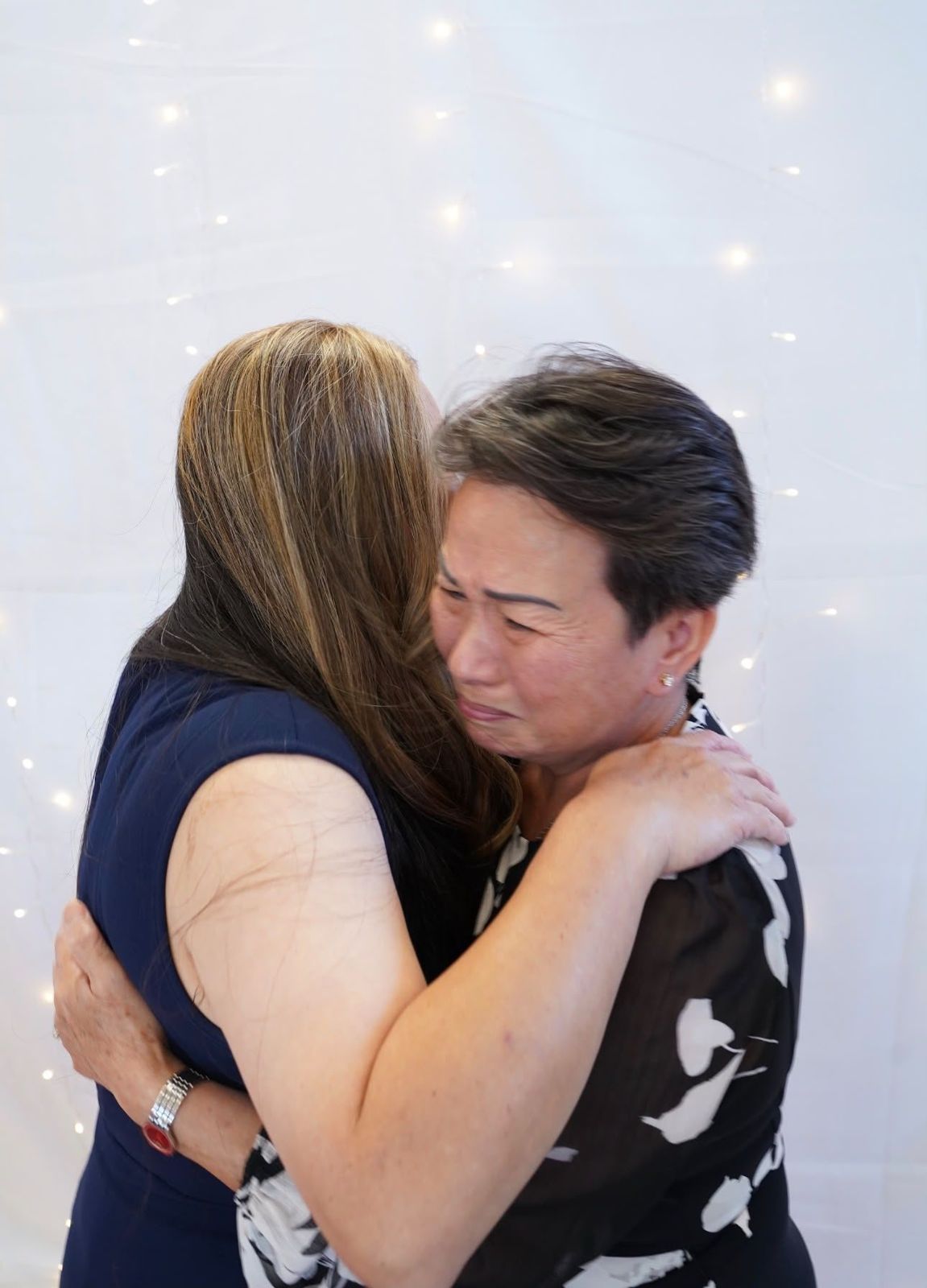
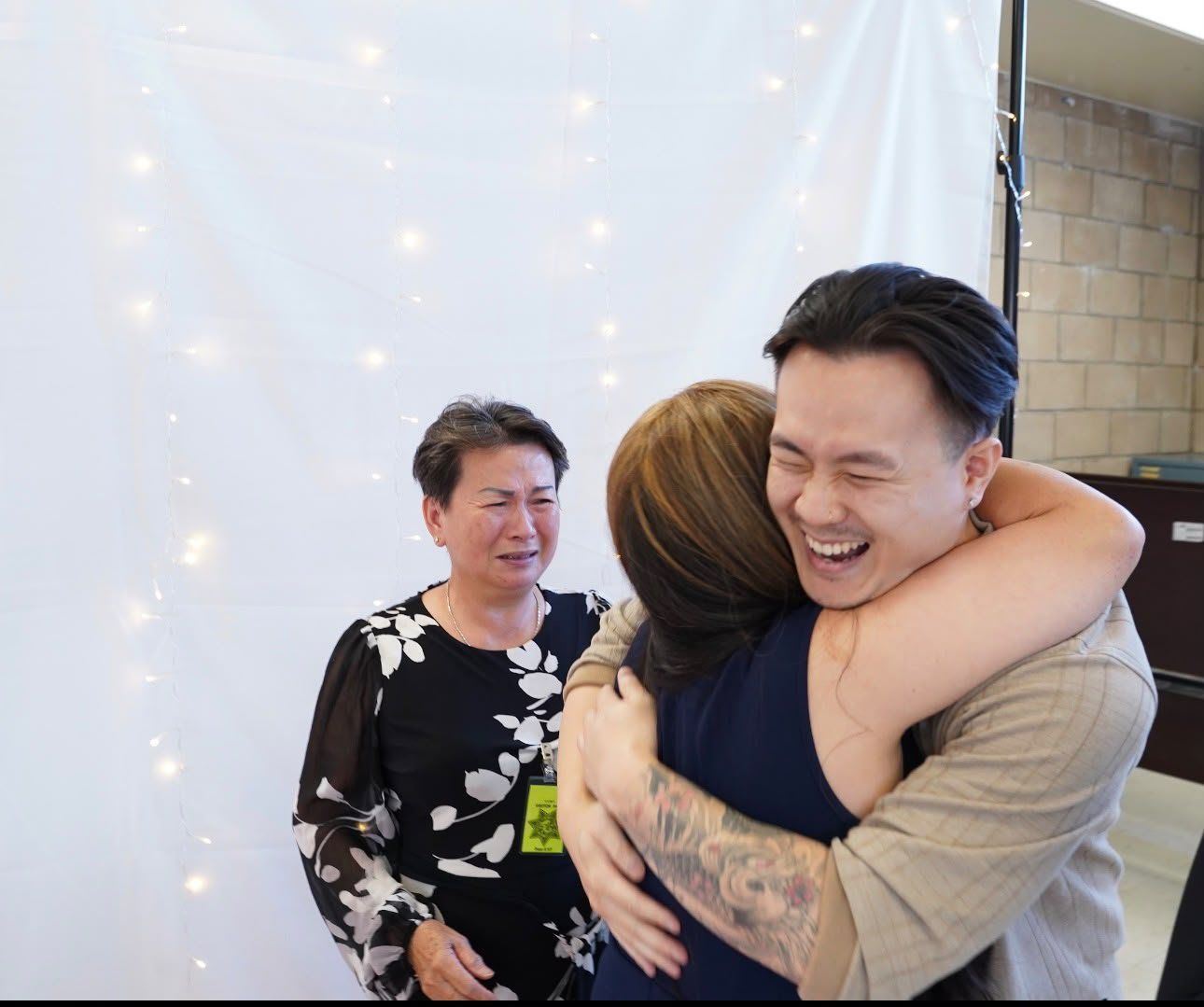
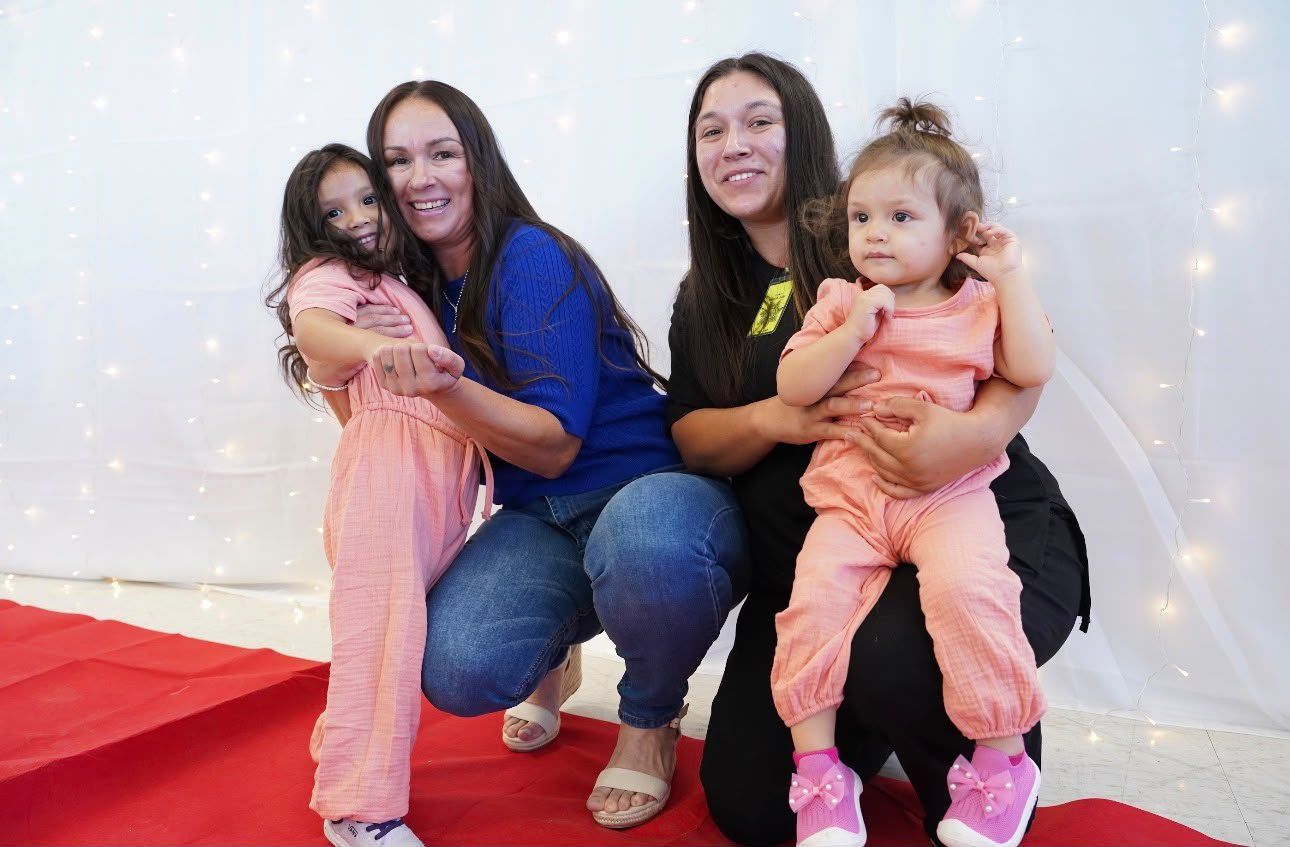
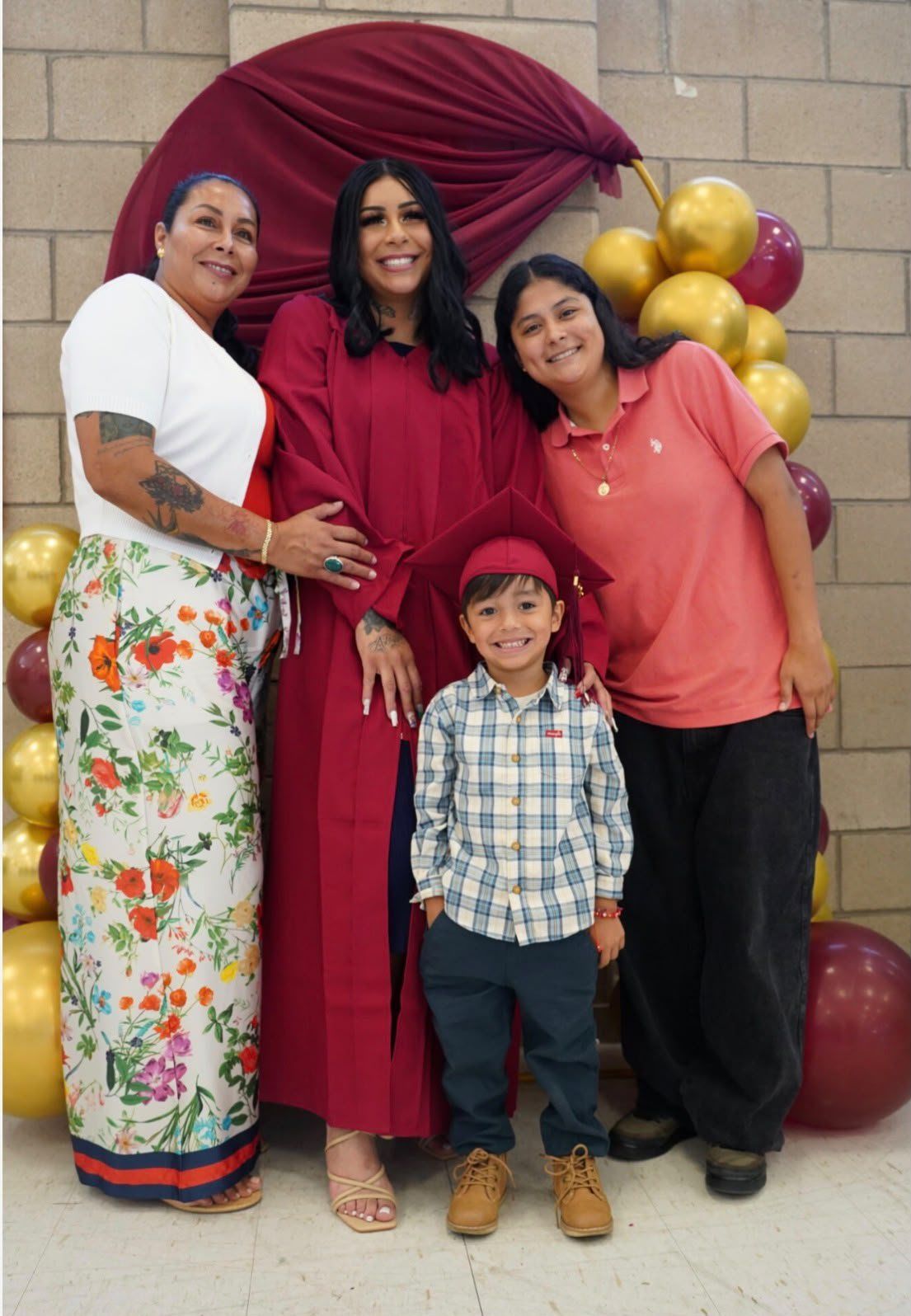
Earned two associate degrees, in Social and Behavioral Science and in Communication, while incarcerated.
Sentenced at 16 to 102 years to life. Today he leads the Bridges of Hope board.
Met by our team at the gate, from the inside to the first day back in the community.
Choose how you want to help. A real person from our team will get back to you.
Register the children and caregivers coming to the next celebration at SVSP or CCWF.
Gas, a hotel night, or clothing for the children. Tell us what your family needs.
Dates, changes and reminders, sent from our Bridges of Hope number.
Photo release and event waiver, signed from your phone.
SVSP, Soledad: every second Saturday. CCWF, Chowchilla: two days on the third weekend of each month.
Volunteers complete a CDCR clearance and orientation, and we guide you through each step.
Your gift brings children to their mother or father inside, dressed for the day and with the family together.
These amounts illustrate how your gift can help. Donations support Reconnecting Families where needed most; actual costs vary by family.
Families and foster homes ask for gifts; donors choose a child's wish. Third year in 2026.
Reentry housing, recovery groups or a parole packet. Partners and families can refer here.
Led by people with lived experience, we keep children connected to their parents in prison. Our programs run inside two CDCR institutions, and every number here comes from our own program records.
27 children and 54 adult family members registered for 2026 family events.
Calls and visits 3 and 6 months after each celebration. First results: spring 2027.
A short survey after every family event, collected in our program system.
Our 2026 impact report, program overview, operating budget and board of directors, sent directly by Christina.
See the program, the numbers and the system behind them. Thirty minutes on Zoom.